

Heading out to sea and wondering how to keep your phone or camera charged? Whether you’re capturing reef pics or staying connected, staying powered is key. If you’re planning a sailing trip where you skipper the boat yourself, like those offered in a Whitsundays bareboat experience, it’s helpful to know how your devices stay powered. Here’s what you need to know before you unplug and sail off.
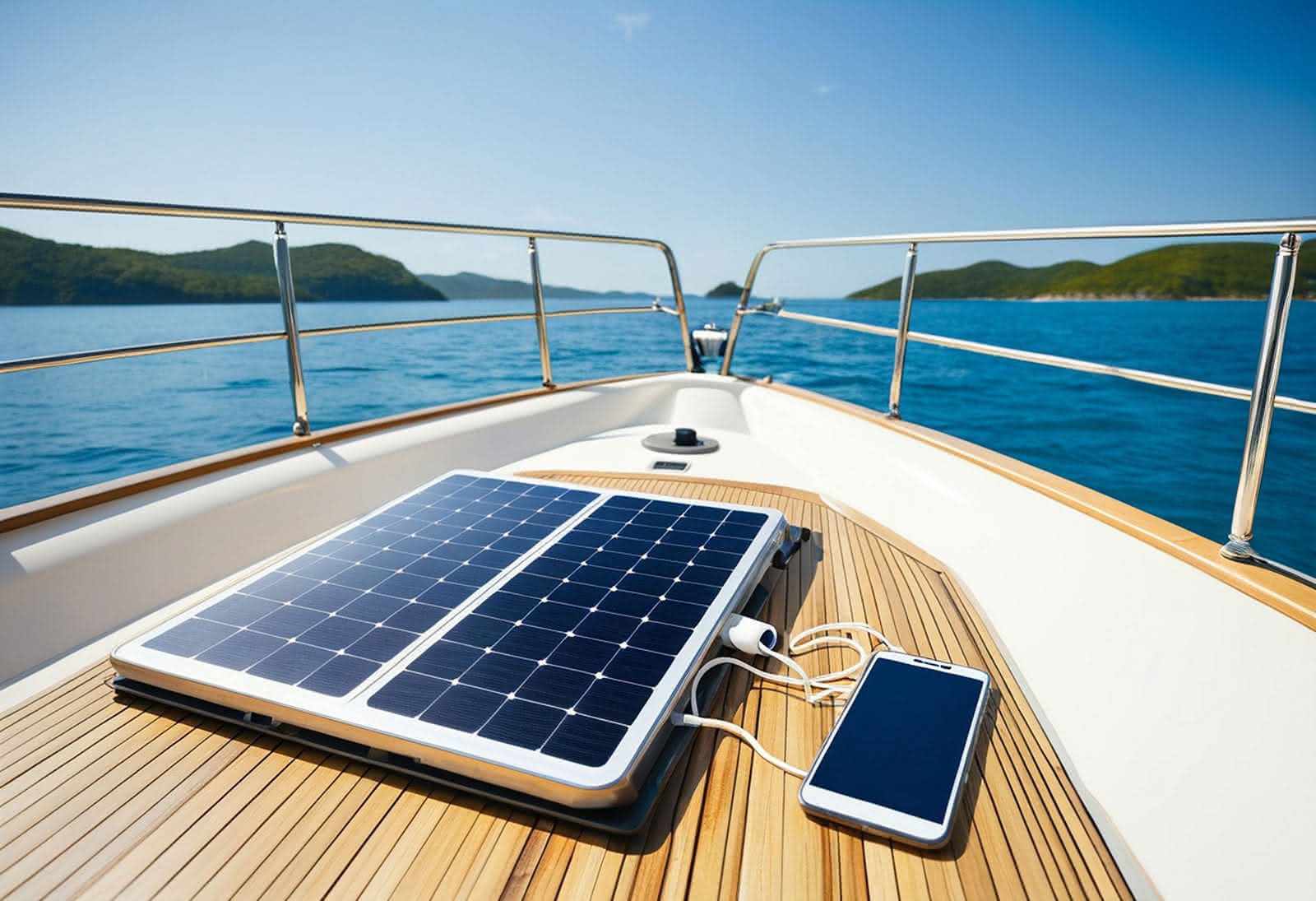
Device Charging Options on a Boat: Solar, Generator & More
Out at sea, there are several reliable ways to keep your devices powered. Depending on the type of boat and your planned trip—especially if you’re venturing to places like Hill Inlet—you’ll want to be prepared. This guide on visiting Hill Inlet by charter can help shape your planning.
Depending on the boat, you might rely on:
- Solar panels: Eco-friendly, quiet, and great for consistent daytime charging.
- Generators: Ideal for larger power needs and multiple devices.
- Engine alternators: Charge while you’re motoring.
- Shore power: Useful when docked or at a marina.
Solar Power vs. Generator: Finding the Right Electricity Source to Charge
Solar power is clean and quiet, making it perfect for eco-conscious sailors. It’s great for phones and smaller electronics but can struggle with larger loads, especially in cloudy conditions. Generators, on the other hand, can provide robust charging for multiple devices, laptops, and appliances, though they’re louder and require fuel.
Phone Charging Solutions for Boats: Efficient Ways to Stay Powered
To keep your devices running smoothly, many boats offer USB ports built into control panels or sleeping areas. You can also bring a 12V charger (similar to a car plug) or a marine-grade inverter for regular AC plugs. Key tips:
- Bring multi-device USB hubs to maximize limited outlets.
- Use waterproof power banks as backups during excursions.
- Always check charging specs—some boats support only certain voltages.
The Role of Watts in Efficient Device Charging
Power on boats is all about watts. The simple formula is: Watts = Volts × Amps. Understanding this helps you estimate what your devices will draw and how long you can charge without draining the system.
Understanding Power Consumption and Charging Efficiency
Phones typically use 5–10 watts while charging. Laptops may pull 45–60 watts or more. If you’re sailing for a few days and charging phones, cameras, and a tablet, that can add up fast. Helpful tips:
- Use low-power modes and airplane mode to conserve energy.
- Avoid unnecessary screen time to save battery and power draw.
- Be aware of phantom loads—some devices draw power even when idle.
A quick table on paper or phone can help track what’s charging and when. And while you’re preparing, it’s also smart to know what to do if something unexpected happens – this emergency tips page for bareboat charters is a great resource to bookmark.
What Charging Options Are Available on Queensland Yacht Charters Boats?
Most vessels from Queensland Yacht Charters come equipped with USB ports, battery monitoring systems, and solar panels. Their team provides a full onboard briefing, so you’ll know exactly how to keep your gear charged and safe.
You can also contact them in advance to confirm power availability or ask for suggestions based on your device load.
Staying powered on the water isn’t hard when you’re prepared. From solar setups to USB hubs, charging devices on a boat is totally doable. Queensland Yacht Charters makes it even easier with modern yachts and expert support.
Planning a Whitsundays sailing trip? Get in touch with their friendly team and they’ll help you make the most of your journey—fully charged and ready to go.

Cheapest Way to See Whitsundays
If you are trying to plan a tropical trip without overspending, the cheapest way to see Whitsundays usually comes down to a mix of smart timing, simple accommodation, and choosing the right kind of time on the water. Many travellers assume the Whitsundays are only for...

When Is Stinger Season Whitsundays?
If you are planning a sailing holiday, reef trip, or beach stay in the Whitsunday Islands, one of the most common questions is when stinger season happens and what it means for swimming. The short answer is that stinger season in the Whitsundays generally runs through...

Whitsundays Offseason Travel Tips
Planning a quieter trip to the islands can be a smart move if you want more space, a slower pace, and a different side of the region. These Whitsundays offseason travel tips are useful for travellers who want to avoid the busiest periods, make better use of their...